Digital Marketplace Havest Lanka
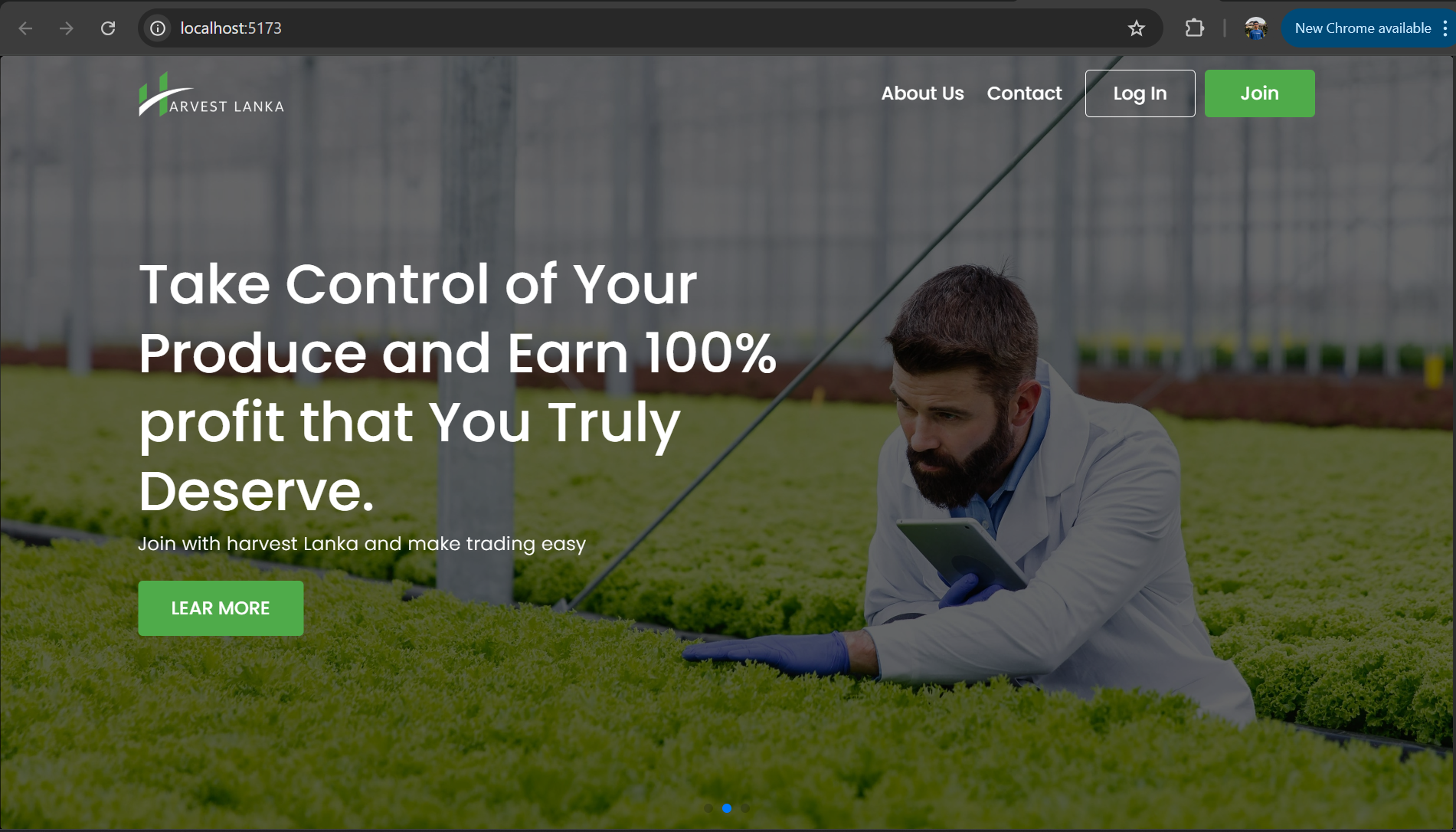
A digital marketplace platform that connects farmers and buyers, enabling fair produce trading through bidding, real-time price transparency, and a streamlined listing system for agricultural goods.
Table of Contents
Digital Marketplace for Farmers and Sellers
Introduction
Agricultural trade is often affected by inefficiencies caused by middlemen, lack of price transparency, and limited direct access between farmers and buyers. These challenges can reduce farmers’ profit margins and create uncertainty in fair pricing.
The Digital Marketplace for Farmers and Sellers was developed to address these issues by creating a direct digital connection between farmers and buyers. The platform enables farmers to list their produce, allows sellers to place competitive bids, and introduces price transparency through government-regulated price visibility. The goal is to promote fair trade, improve accessibility, and make agricultural commerce more efficient and data-driven.
Farmer Listing System
Farmers can create listings for their agricultural products by adding details such as crop type, quantity, and minimum expected price. This system ensures that farmers retain control over their pricing expectations while making their produce available to a wider market.
Each listing is structured to support clear comparison between different products, helping buyers make informed decisions based on quality and pricing.
Bidding System
The platform introduces a bidding mechanism where sellers can place offers on listed produce. This creates a competitive marketplace environment where pricing is determined dynamically based on demand.
The bidding system improves fairness by allowing multiple buyers to compete for the same produce, reducing dependency on fixed pricing models and enabling farmers to receive better value for their goods.
Government Price Transparency
To support fair trade practices, the platform displays real-time government-regulated prices for vegetables. This feature acts as a reference point for both farmers and buyers, ensuring that bids and listings remain aligned with market standards.
By introducing price transparency, the system reduces the risk of exploitation and helps maintain balanced market dynamics.
User Authentication and Security
The system includes secure user authentication for both farmers and buyers. Users can register, log in, and access role-specific features based on their account type.
Authentication ensures that only verified users can participate in listing, bidding, and transaction activities, improving trust and system reliability.
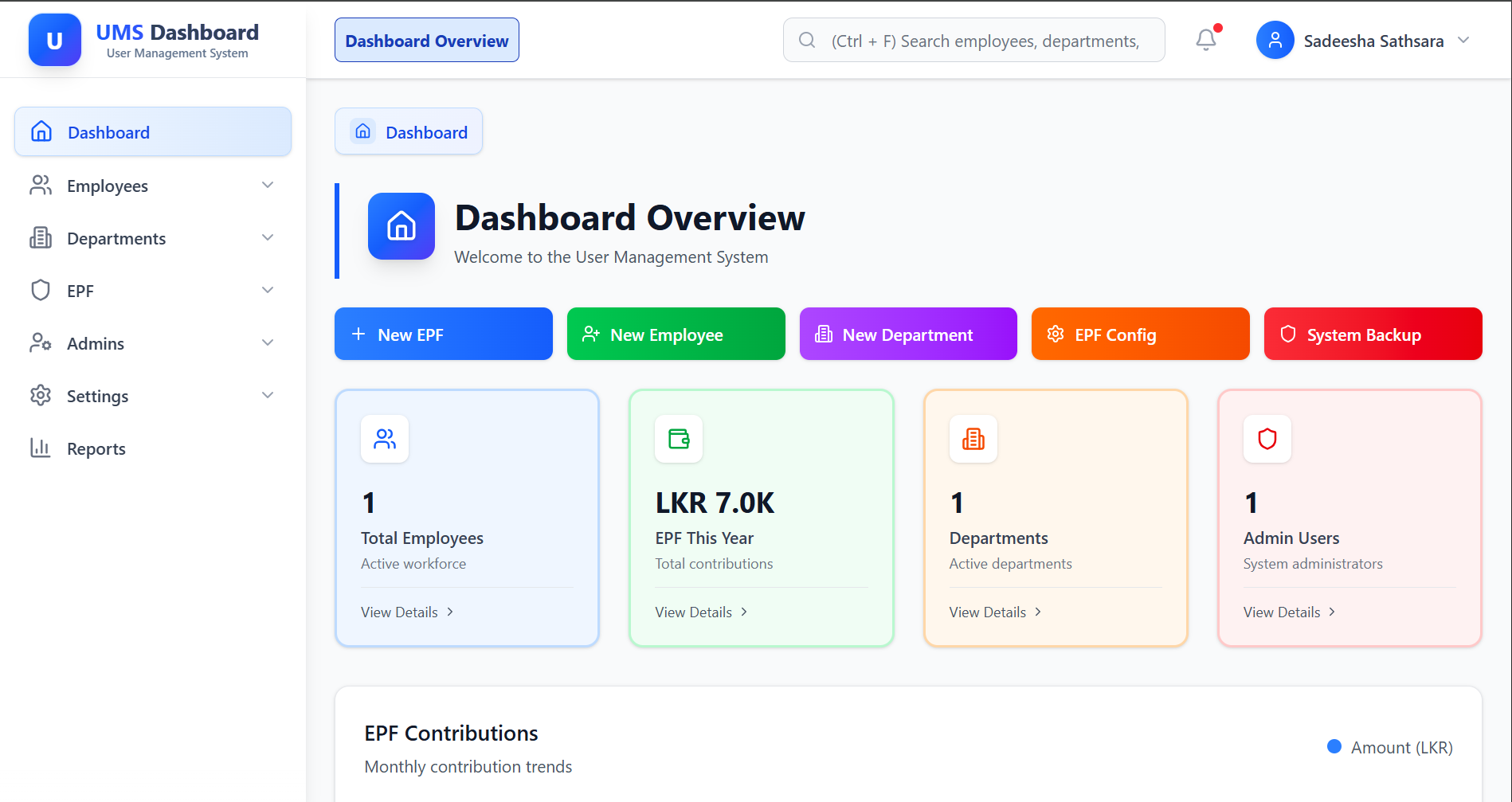
Admin Dashboard
The admin dashboard provides centralized control over the platform. Administrators can manage user accounts, monitor listings, and oversee bidding activity.
This ensures that the marketplace remains secure, organized, and free from misuse while maintaining smooth operational flow across all user interactions.
System Architecture
The application follows a MERN stack architecture with a clear separation between frontend, backend, and database layers.
The frontend is built using React.js, providing a dynamic and responsive user interface. The backend uses Node.js with Express.js to handle API requests, business logic, and authentication processes. MongoDB is used as the database layer to store user data, product listings, bids, and system records in a flexible document structure.
This architecture allows for scalability, modular development, and efficient handling of real-time marketplace interactions.
Development Approach
The project was developed using an Agile methodology, allowing iterative improvements and continuous feedback during development. This approach helped refine features such as bidding workflows, listing management, and user experience based on evolving requirements.
Conclusion
The Digital Marketplace for Farmers and Sellers demonstrates how technology can improve agricultural trade by enabling direct communication between farmers and buyers, introducing transparent pricing mechanisms, and supporting fair bidding systems. The platform combines real-time data interaction with a structured marketplace model to modernize traditional agricultural commerce.