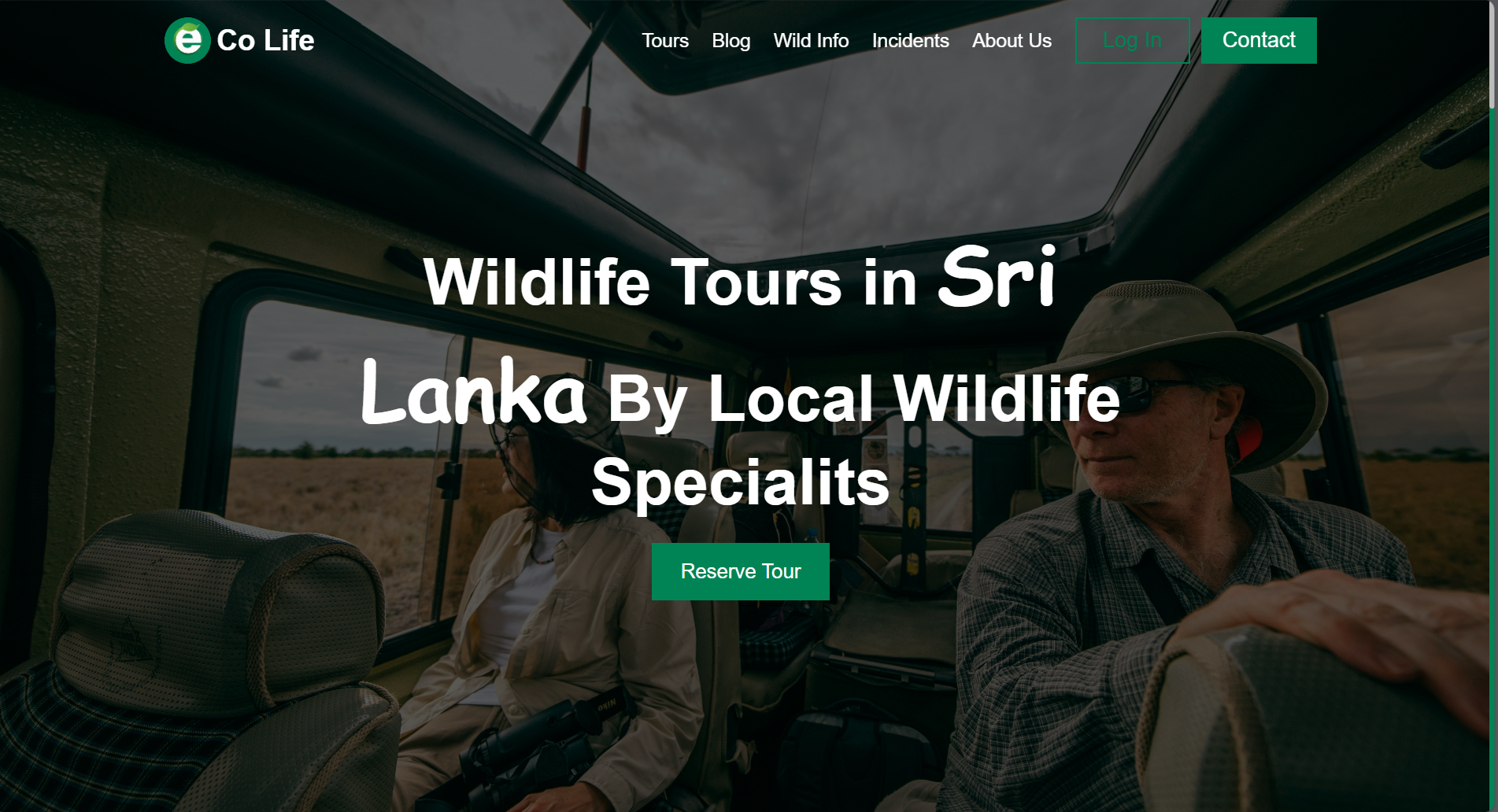
Ecolife
A wildlife tourism platform that simplifies trip planning, tour reservations, wildlife discovery, and conservation engagement through a single, user friendly experience.
Table of Contents
Building Ecolife: A Wildlife Trip Management System
Introduction
Ecolife is a web based wildlife trip management system developed to simplify the process of planning and managing wildlife tours. The project was designed to bring together travelers, tour operators, and administrators into a single platform where reservations, educational content, and operational tasks could be managed efficiently.
Many wildlife tourism services still rely on manual booking processes and scattered information sources. Visitors often need to browse different websites to learn about destinations, contact operators through phone calls or messaging applications to reserve tours, and search elsewhere for information about wildlife species. Ecolife addresses these challenges by centralizing the entire experience into one application.
The system was built with simplicity, maintainability, and usability in mind while following a traditional three tier web architecture consisting of a presentation layer, application layer, and database layer.
User Authentication
Every user begins by creating an account and signing into the platform. Authentication ensures that each visitor has access to personalized features such as tour reservations and incident reports while protecting sensitive information from unauthorized access.
This feature also provides a foundation for role based access where administrators are given additional privileges to manage the platform without exposing management functionality to regular users.
Tour Reservation Management
The core functionality of Ecolife is the wildlife tour reservation system. Users can browse available tours, explore destinations, and submit booking requests through a straightforward interface.
From the administrative side, reservation requests can be reviewed and approved before confirmation. This workflow eliminates manual paperwork and provides better visibility into upcoming tours and customer requests.
By digitizing the reservation process, the platform reduces communication delays while improving the overall experience for both visitors and tour operators.
Wildlife Information Portal
A wildlife tour is more than simply visiting a destination. Understanding the animals, their habitats, and conservation efforts creates a more meaningful experience.
For this reason, Ecolife includes an educational portal where visitors can explore wildlife species and conservation related information before or after their tours. This transforms the platform from a booking system into an educational resource that promotes responsible tourism.
Blog Management
The platform includes a content management module that allows administrators to publish wildlife articles, travel guides, and conservation updates.
Instead of requiring technical knowledge to update website content, administrators can create, edit, and remove blog posts through an administrative interface. This keeps the website dynamic while providing valuable information to visitors.
Incident Reporting
Conservation depends heavily on community participation. Ecolife provides an incident reporting feature that enables visitors to report wildlife related incidents or environmental concerns encountered during their trips.
Reports submitted through the platform can be reviewed by administrators, providing an organized approach to recording conservation related information while encouraging responsible behavior among visitors.
Administrative Dashboard
Managing a tourism platform involves more than handling reservations. Administrators need visibility into users, bookings, blog content, and reported incidents.
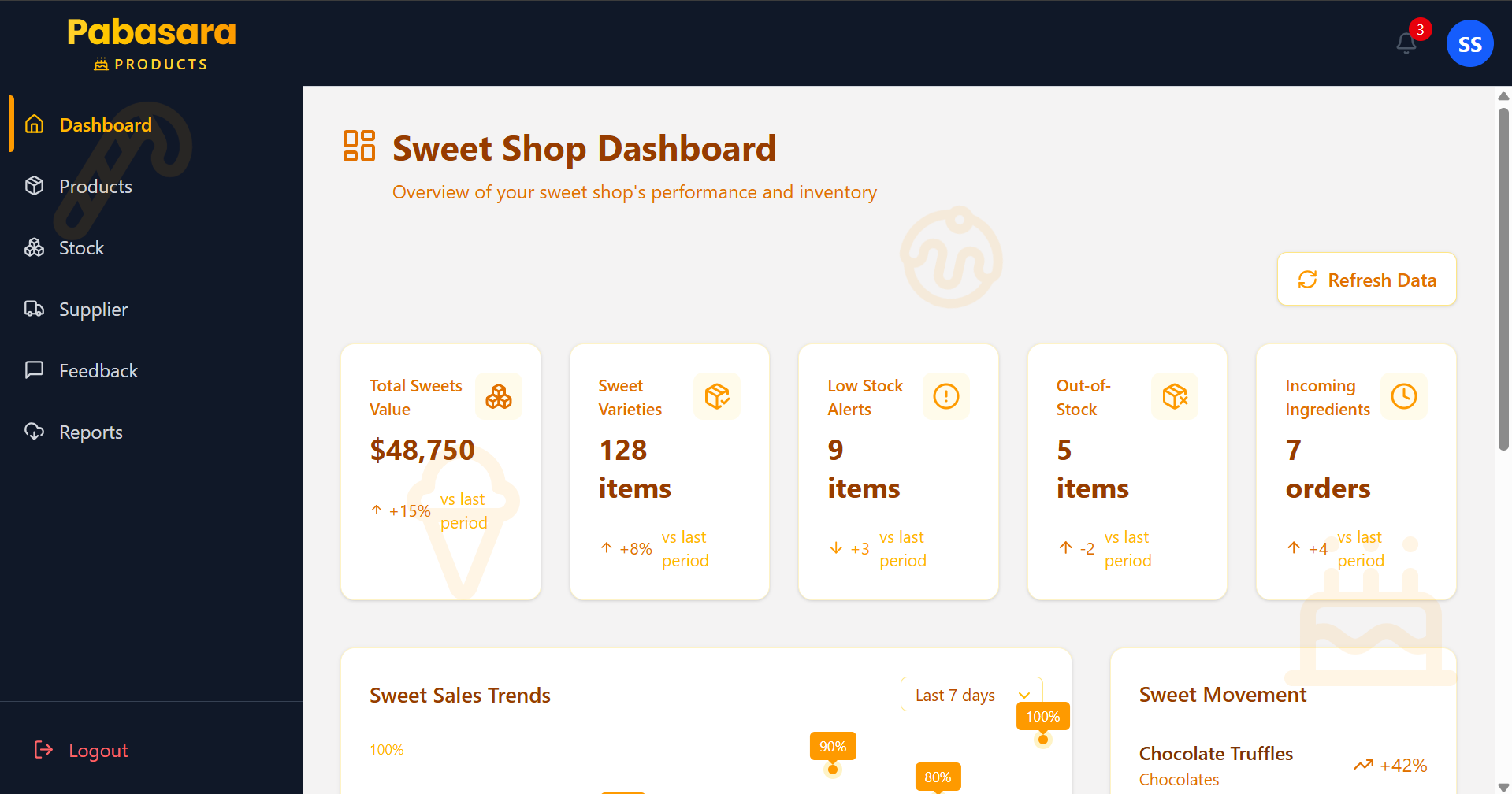
The administrative dashboard centralizes these responsibilities into a single interface, making it easier to oversee daily operations while reducing repetitive manual tasks.
Technology Stack
Frontend
The user interface was developed using HTML, CSS, and JavaScript.
HTML provides the semantic structure of the application, CSS is responsible for creating a responsive and visually consistent interface, and JavaScript enables interactive functionality such as client side validation, dynamic page updates, and improved user experience without unnecessary page reloads.
This technology stack was selected because it provides complete control over the interface while remaining lightweight and widely supported across modern web browsers.
Backend
The server side application was built using PHP.
PHP was chosen because it integrates naturally with HTML based applications and provides a straightforward approach to developing dynamic web systems. It efficiently handles user authentication, business logic, form processing, reservation management, session handling, and communication with the database.
Its mature ecosystem and extensive documentation also made it a practical choice for building a complete web application.
Database
MySQL was used as the relational database management system.
The application stores user accounts, reservations, blog posts, wildlife information, and incident reports within a structured relational database. MySQL was selected because of its reliability, performance, support for relational data models, and seamless integration with PHP.
Using a relational database also helped maintain data consistency through well defined relationships between entities.
Conclusion
Ecolife demonstrates how traditional wildlife tourism operations can be digitized through a centralized web application. Rather than focusing only on online reservations, the system combines tour management, educational resources, content management, and conservation reporting into a unified platform.
The project also provided valuable experience in designing database driven web applications, implementing authentication and authorization, developing administrative workflows, and building a maintainable full stack application using PHP, JavaScript, and MySQL.