Authentication vs Authorization: Security Best Practices
Learn the key differences between authentication and authorization, plus security best practices for passwords, sessions, JWTs, and access control.
Table of Contents
Authentication vs Authorization: Security Best Practices
Every backend engineer eventually gets this wrong at least once: confusing who you are with what you're allowed to do. Authentication and authorization solve two different problems, and mixing them up is one of the most common sources of security vulnerabilities in production systems.
This guide breaks down both concepts and covers the practices that actually hold up in real-world, high-traffic systems, not just tutorial code.
Authentication vs Authorization: The Core Difference
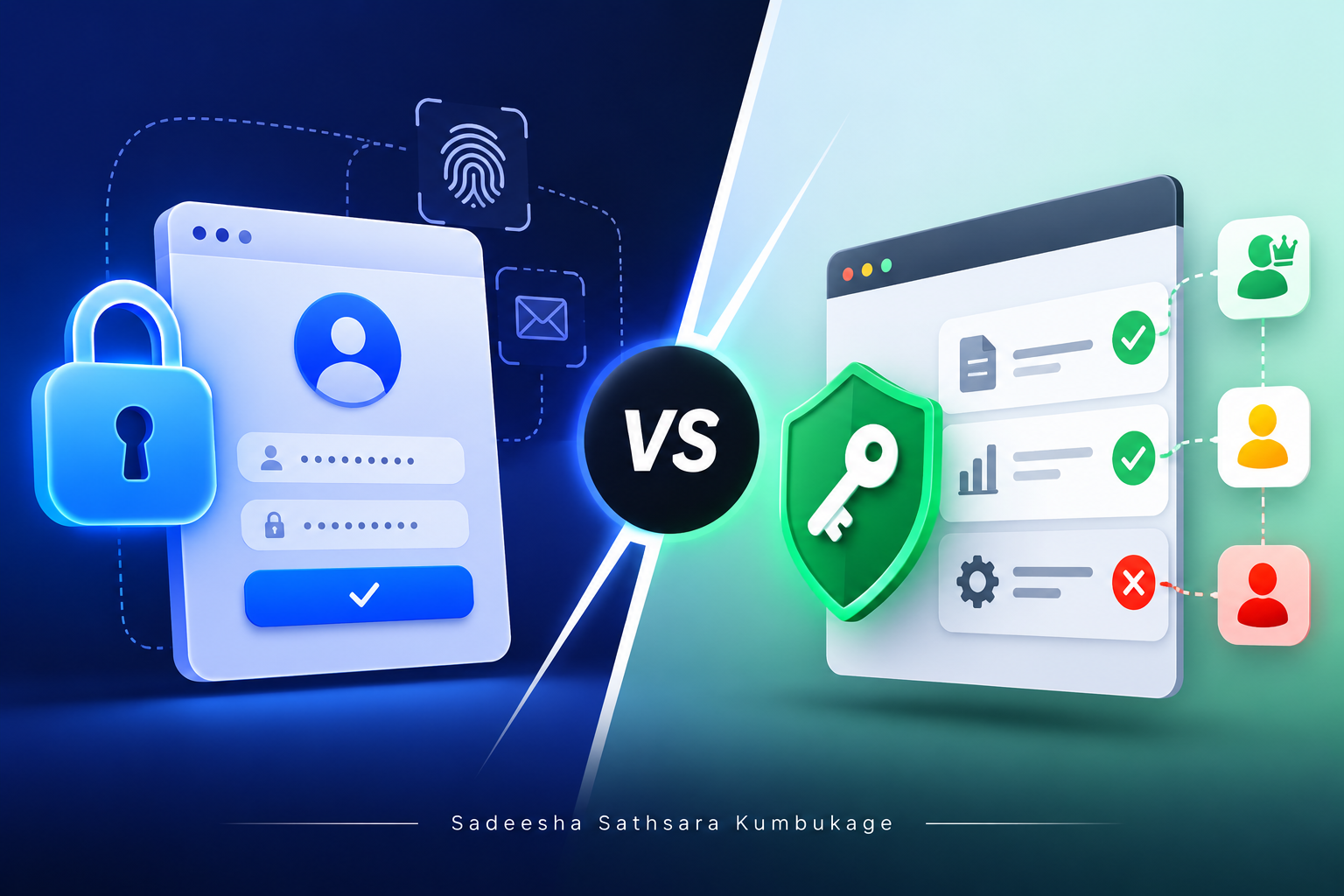
Authentication (AuthN) answers: Is this really you?
It verifies identity, usually through a password, token, biometric, or certificate.
Authorization (AuthZ) answers: What are you allowed to do?
It governs access to resources once identity is confirmed.
A login form is authentication. A 403 Forbidden response is authorization. Systems that conflate the two often end up with logic like "if the user is logged in, they can access anything," which is how privilege escalation bugs happen.
Authentication: Best Practices
1. Never store passwords in plaintext or with fast hashes
MD5 and SHA-256 are fast by design, which makes them terrible for password storage; attackers can brute-force billions of hashes per second on modern GPUs. Use a slow, memory-hard algorithm instead:
Always use a unique salt per user (these libraries handle this automatically) and tune the work factor to your hardware, not a default from 2015.
2. Enforce multi-factor authentication (MFA)
Passwords alone are compromised constantly through phishing, credential stuffing, and data breaches. MFA should be:
3. Get session management right
If you're using session-based auth:
HttpOnly, Secure, and SameSite=Strict (or Lax) on session cookies4. If you're using JWTs, know the common pitfalls
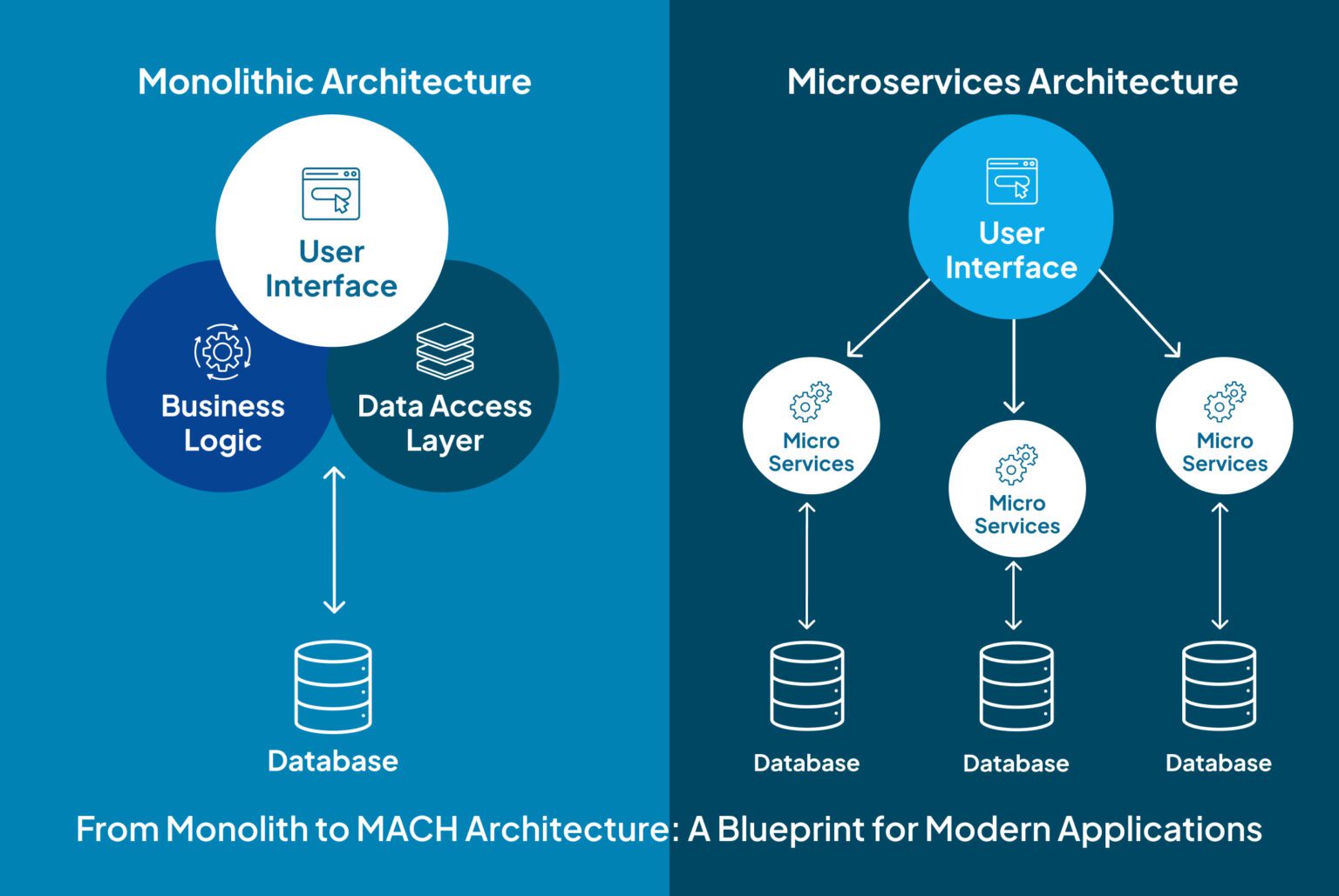
JWTs are popular for stateless auth in microservice architectures, but they introduce their own risk surface:
alg field from the token itself; if you expect RS256, reject anything else, including HS256, to prevent algorithm confusion attacks.Authorization: Best Practices
1. Apply the principle of least privilege
Every user, service account, and API key should have the minimum permissions needed to do its job, nothing more. This limits blast radius when credentials are compromised. In event-driven systems with something like RabbitMQ, this also means scoping queue and exchange permissions per service rather than giving every consumer blanket access to the broker.
2. Choose the right access control model
Pick based on actual complexity. Don't reach for ABAC or ReBAC if RBAC solves your problem; added flexibility means added attack surface and more places to get the logic wrong.
3. Enforce authorization on every layer, not just the UI
Hiding a button in the frontend is not access control. Every API endpoint must independently verify that the authenticated user is authorized for that specific action on that specific resource. This is especially critical in microservice architectures: don't assume that because a request came from an internal service, it's already been authorized upstream. Verify at each service boundary.
4. Watch for Insecure Direct Object References (IDOR)
This is one of the most common real-world authorization bugs. If /api/orders/1234 returns order 1234 regardless of who's asking, that's an IDOR vulnerability. Always check that the resource being requested actually belongs to, or is permitted for, the authenticated user, not just that the ID exists.
Practices That Apply to Both
Closing Thought
Authentication and authorization are often built once, early in a project, and then rarely revisited until something breaks. Treat them as living parts of the system: review access control logic whenever new roles or resource types are added, and revisit token and session policies as the system scales. The teams that get burned are usually the ones who treated auth as a solved problem after the initial implementation.